

The Cost of Wound Care
The Cost of Wound Care

So do we. Sign up to our emails to receive news and advice on staying active and exclusive discounts. Plus enjoy 15% off your first order.



When it comes to wound care management, the initial price tag on a box of dressings often dictates the purchase. However, in the world of wound healing, the ‘cheaper’ option frequently proves to be less effective in the long run.
At Neo G, we believe that effective wound treatment should be measured by outcomes and ‘cost per wear’ rather than the upfront cost of a single dressing. By choosing advanced wound care solutions like the Opti-Heal range, you’re investing in a product designed to improve recovery time and protect your skin.
One of the most significant differences between standard wound care dressings and Opti-Heal is that the pad of standard dressings does not effectively remove exudate from the surface of the wound. This then means the exudate is not held away from the surface, which increases the risk of infection and increased maceration.
In contrast, Opti-Heal advanced woundcare products are designed to be worn for up to 7 days. When you calculate the cost of seven standard dressings versus one Opti-Heal silicone wound dressing, the premium option often emerges as the more economical choice. By choosing Opti-Heal, you’re not only saving money and reducing waste, you are also helping your wound heal significantly faster.
One of the most overlooked aspects of wound care treatment is the damage caused by frequent dressing changes. Every time you peel back a standard dressing, you aren't just removing the dressing; you are often damaging the wound and therefore slowing the healing process.
Standard adhesives can be aggressive. When changed daily, they can tear the periwound, which is often compromised when there is an injury. This repetitive trauma prevents the wound from being able to heal, effectively hitting the ‘reset’ button on your recovery every 24 hours.
Wound healing thrives in a consistent, warm, and moist environment. Opening a wound daily to change a dressing causes the wound bed to drop in temperature, and the wound can start to dry. It can take several hours for the wound to return to the optimal temperature required for cellular activity. By using an Opti-Heal wound dressing that stays in place for a week, you maintain an environment that is optimal for wound healing. Another negative to having to change a dressing more frequently is that this opens the wound up to potential infection. Opti-Heal dressings help protect the wound from dirt and germs.
Pain is a major factor in how we perceive wound care. Standard dressings can stick to the wound bed itself, meaning that removal involves pulling at scabbed tissue or fresh granulating skin. This is not only painful but also actively delays wound treatment progress.
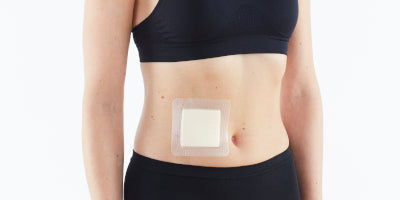
Many Opti-Heal products are created with an adhesive silicone wound contact layer, which holds the dressing in place but does not damage the wound on removal and allows the dressing to be lifted for wound monitoring.
Silicone dressings are also ideal for sensitive skin, or for elderly patients who have very thin skin which tears easily.
We must look at the hidden costs of poor wound management. If a wound takes longer to heal with budget standard dressings, when compared to Opti-Heal, the more expensive dressing has reduced your total spend on supplies. Opti-Heal is proven to create a moist environment that helps wounds heal significantly faster.
Furthermore, prolonged healing times increase the risk of infection. An infected wound requires doctor's appointments, potential antibiotic prescriptions, and even more specialised types of wound dressing. By investing in high-quality wound care solutions from the start, you are proactively reducing the risk of complications and slow wound healing.
We have developed our Opti-Heal range to cover a variety of different wounds, ensuring that whether you have a minor abrasion, a post-operative incision, or a more complex chronic wound, there is a hospital-grade option available.
Choose between our Hydration Multi Purpose Dressing or our Ultra Thin Hydrocolloid. The Hydration Multi Purpose Dressing is ideal for burns as it features a hydrogel layer hydration system, whereas our Ultra Thin Hydrocolloid is ideal for wounds, minor burns, cuts & abrasions.
Our Silicone Multi Purpose Dressings are an excellent everyday solution for wounds needing a light to moderate drainage level, making them ideal for cuts, post-surgical wounds and abrasions.
Our Silicone Foam Absorbent Dressings provide a moderate to heavy drainage level, ideal for cuts, postsurgical wounds and pressure ulcers.
While you may initially want to choose the cheaper standard dressing, you may not be saving money in the long run. If you pick a standard dressing, the price per unit may be higher than Opti-Heal, it will have a shorter wear time, and it is likely to cause more skin trauma when removed.
Don't just cover a wound, care for it. Switch to Opti-Heal and experience the difference that hospital-grade wound care management can make or read our guide ‘Wound Advisor’ for more information.


