How to treat a skin tear
How to treat a skin tear

So do we. Sign up to our emails to receive news and advice on staying active and exclusive discounts. Plus enjoy 15% off your first order.



Skin tears are a significant wound care challenge, especially for the older generation and those with fragile skin. Whether you are a caregiver or someone looking for skin tear treatment at home, understanding how to manage these injuries is vital for preventing infection and aiding a fast recovery.
This blog will explain the skin tear definition, healing time, and why choosing the best treatment for skin tears, such as silicone dressings for skin tears, can make all the difference.
A skin tear is a traumatic wound caused by direct contact between the skin and another object. This could be from bumping into furniture or the improper removal of adhesive dressings. Unlike a standard cut or laceration, a skin tear typically involves the separation of the skin layers. This usually happens when the epidermis (the outer layer) is pulled away from the dermis (the deeper layer), or when both layers are separated from the underlying tissue.
These injuries are primarily caused by mechanical trauma, which is a physical injury to the body tissue. In the context of a skin tear, this trauma usually manifests through two specific forces:
• Friction: This occurs when two surfaces rub against each other. For someone with fragile skin, even a limb rubbing against a bedsheet can be enough to drag the top layer of skin off.
• Shearing: This is a more complex force where the skin remains stuck to a surface (like a chair or a dressing) while the underlying bone and muscle move in the opposite direction. This stretches the tissue, causing the layers to snap apart.
Health professionals often categorise these based on the presence of a skin flap wound. In some cases, the flap can be repositioned to cover the wound bed, but in other cases, the flap may be partially or completely lost.
While they can happen to anyone, skin tears in elderly populations are much more common due to age-related changes. As we age, our skin becomes thinner, loses elasticity, and produces less natural oil. This more fragile skin is highly susceptible to injury from seemingly minor incidents:
• Bumps and knocks: Simply walking into a piece of furniture.
• Being moved: For those with limited mobility, being lifted or moved can cause the skin to snag, resulting in tearing.
• Adhesives: Removing aggressive medical tapes or plasters can pull the skin apart.
• Dehydration and Poor Nutrition: These factors weaken the skin’s structural integrity. Dehydration reduces the skin’s moisture content, which decreases elasticity, cushioning and can thin the skin, which increases the skin’s fragility, making it tear more easily.
How long a skin tear takes to heal depends on the severity of the tear and the individual's overall health.
On average, a simple skin tear in a healthy individual may heal within 7 to 14 days. However, for seniors or those with underlying conditions like diabetes or poor circulation, the process can take 4 weeks or longer. The goal of any skin tear care plan is to keep the wound moist and protected to avoid stalls in the healing cycle.
In some rarer cases, a skin tear can fail to heal, and it will then become a chronic wound. Chronic wounds require medical intervention, as if left, they can lead to persistent infections, which could result in more serious problems and damage.
If a wound has not started to heal after 4 to 12 weeks or shows signs of infection (this could be increased pain, pus, foul smell, or increased heat/redness), it’s important to visit a healthcare professional.
For more information on healing wounds, read our blogs ‘6 Wound Care Myths’ and ‘How Long Does a Cut Take to Heal?’.
Knowing how to treat a skin tear immediately after it occurs can prevent a minor injury from becoming a chronic wound. Follow these steps for the treatment of skin tears:
1. Control Bleeding: Apply gentle, firm pressure with a clean cloth or gauze. If possible, elevate the bleeding arm/leg. Wear gloves to prevent infecting the wound. If you do not have gloves, try to avoid touching the wound directly.
2. Cleanse the Wound: Rinse the area gently with saline solution or warm water, and check that any dirt or debris has been removed. Avoid harsh antiseptics like hydrogen peroxide, which can damage the delicate tissue.
3. Preserve the Skin Flap: If there is a skin flap wound, do not cut it off. Gently roll the flap back into its original position using a dampened cotton bud or gloved finger. If blood has collected under the skin flap, gently wash this away, if possible. Then dry the skin by gently patting with dry gauze or a paper towel, taking care not to dislodge the skin flap.
4. Dress the Wound: Use a specialised dressing for skin tears that won't stick to the wound bed. Ensure the central pad is big enough to cover all of the broken skin. Before applying the dressing, draw an arrow on the dressing to show which way to remove the dressing so the flap doesn’t move. The arrow should start from the most secure part of the skin flap, which is the edge that is still attached. Our Opti-Heal Silicone Multi Purpose Dressing is an ideal choice for skin tears.
Expert Tip: Skin tears on the lower leg will heal better with some support from light compression socks, such as travel and flight socks.
Caring for skin tears in the elderly requires a soft and gentle approach. Because their skin is paper-thin, you must avoid any products that require ripping to remove.
• Avoid Traditional Plasters: Standard adhesive bandages are often too hard to remove for elderly skin.
• Monitor for Infection: Watch for increased redness, warmth, swelling, or an unpleasant odour. It’s also important to check that the wound isn’t getting bigger or that the person isn’t starting to feel unwell.
• Hydrate: Encourage plenty of fluids and the use of emollient creams on the surrounding skin (but not in the wound itself) to improve skin elasticity.
When it comes to treating fragile skin, not all dressings are created equal. The best dressings for skin tears are those that are secure enough to protect the wound but are gentle enough to remove without causing any further trauma.
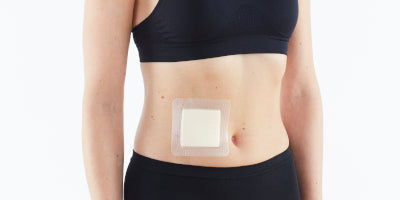
For these reasons, we recommend our Opti-Heal Silicone Multi-Purpose Dressing as the ideal dressing for skin tear management. This dressing has a silicone wound contact layer, which is gentle to remove and provides effective protection for the surrounding skin, the wound, and the wound flap itself. It also features 360° showerproof protection, which helps protect against germs and dirt. Because it is showerproof, it supports a normal lifestyle, allowing the wearer to maintain hygiene without compromising the skin tear care plan.
Thanks to its soft, flexible design, the Opti-Heal Multi Purpose Silicone Dressing conforms to the body's natural contours and can be worn for up to seven days. This reduced frequency of dressing changes is essential for skin tears in elderly patients, as it gives the tissue the undisturbed time it needs to heal.
Most skin tears produce low to moderate levels of fluid (exudate). Using a high-absorbency dressing on a relatively dry wound can actually be detrimental, causing the wound bed to dry out, which leads to painful scabbing and potential scarring.
By choosing a specialised silicone dressing for skin tears, you are reducing pain during changes, protecting the surrounding tissue, and ultimately providing a much better experience for either yourself or the person you are looking after.
A common mistake in wound care for skin tears is changing the dressing too frequently.
Ideally, you should leave the dressing in place for 3 to 5 days, provided there is no fluid leaking out or signs of infection. Every time you remove a dressing, you lower the wound's temperature and risk disturbing the fragile skin flap wound.
Expert Tip: Always mark the direction of the skin flap with an arrow on the outside of the dressing. This tells whoever is removing it which way to peel the dressing to avoid lifting the flap.
Are skin tears preventable? In many cases, yes. While we can’t stop the ageing process, we can help to reduce the risk.
1. Moisturise Twice Daily: Use a moisturising lotion to keep skin supple and maintain elasticity.
2. Protective Clothing: Wear long sleeves, trousers, or even shin guards for those prone to bumping their legs. Wear better footwear to reduce the chances of falls.
3. Safe Environment: Pad sharp corners of furniture and ensure lighting is adequate to prevent falls. It’s also important to maintain a clutter-free environment and remove hazards such as rugs or cords.
4. Safe Handling: If you are a carer, ensure you are using correct manual handling techniques to avoid shearing the skin.
5. Stay Hydrated: Maintain good hydration and nutrition to keep skin healthy and hydrated, which improves its resilience.
Treating skin tears correctly is about patience and using the right tools. By understanding skin tears better and creating a healing plan, you can help reduce healing times and discomfort.
Remember, the best treatment for skin tears involves protecting the skin flap and using high-quality silicone dressings for skin tears like Opti-Heal. By focusing on prevention and gentle skin tear treatment at home, we can protect our skin and the skin of our loved ones, from these painful injuries.
The content on this website is provided for general information and reference purposes only and is not intended to substitute for advice given by a physician, pharmacist, or other licensed health-care professional. You should not use this information as self-diagnosis or for treating a health problem or disease. All exercises and information featured on this web site should only be reviewed/practised under the supervision of a qualified healthcare professional. Products suggestions linked to injuries may be provided on the site but you must always refer to the product page for full product details and always consult a physician before use as the indications outlined may not always be relevant to your particular injury/condition.


